
Disclosure: This post contains affiliate links. If you purchase a travel insurance policy through my links, I may earn a small commission — at no extra cost to you. I only recommend products I believe in, and the opinions here are entirely my own.
I told the whole story on camera — what happened at 34,000 feet, and exactly what it cost without travel insurance:
I didn’t know what travel insurance was when I booked my first overseas trip. I wish someone had told me.
This is the story of three cruises, three very different outcomes, and the single purchase that separates “I got unlucky” from “I lost everything.”
October 2016: Rome, a Mediterranean Cruise, and a Chest I Didn’t Know Was a Ticking Clock
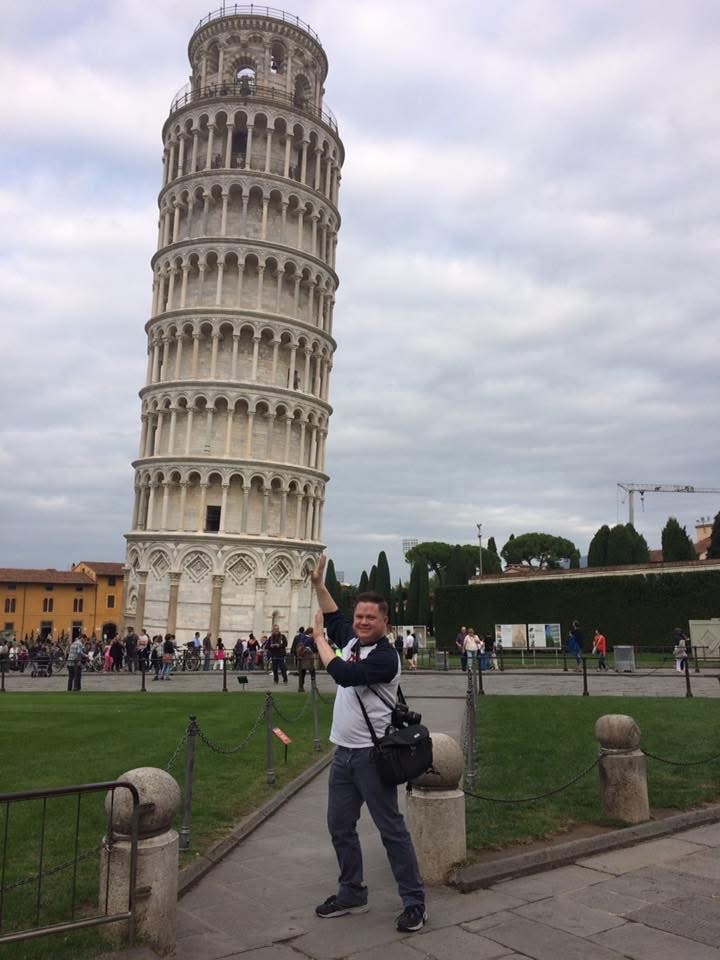
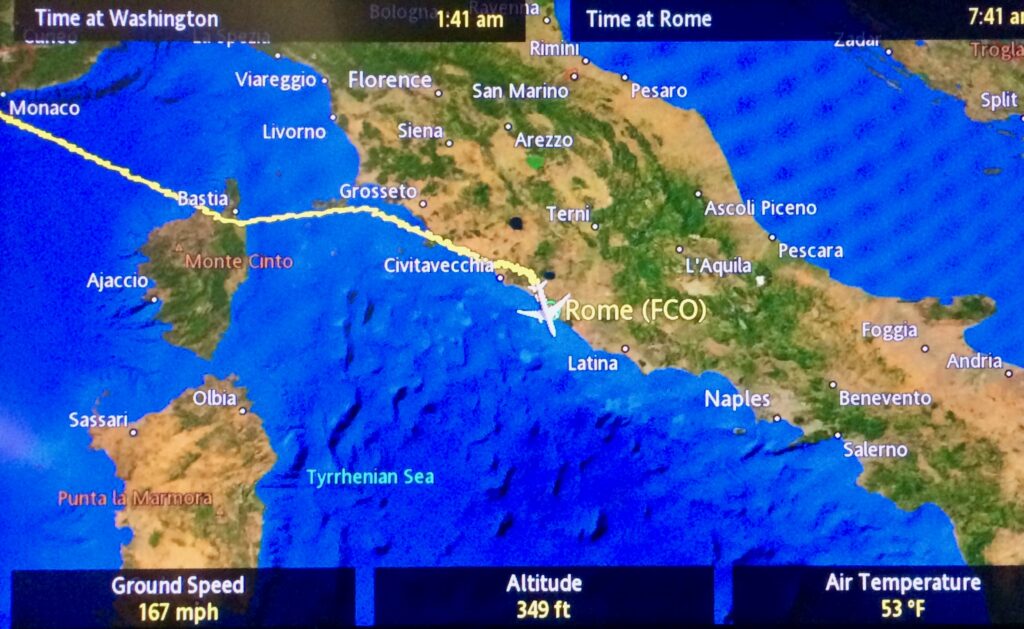
The trip almost didn’t happen. Two weeks before departure, my right arm felt like I’d pulled a muscle. I’d been working with a personal trainer, so that’s exactly what I assumed it was. Urgent care agreed — clear bill of health — and I booked my flight from IAD to FCO feeling fine.
The fare was dirt cheap. Around $600 for a week on the NCL Star in an oceanview cabin. My first time leaving the country. I was going to Rome.
Somewhere Over Halifax
Being the frugal traveler I am, I dressed up before boarding — button down shirt and khakis — hoping to sweet-talk my way into a business class upgrade on the transatlantic flight. It didn’t work. So somewhere over Halifax, I grabbed my bag, changed into a t-shirt and shorts in the bathroom, and settled in for the long haul.
I sat back down and immediately felt lightheaded.
Then the sweating started. My body began to convulse. The older woman in the seat next to me leaned over and asked, quietly, if I was having a heart attack or something. I couldn’t answer her.
The chest pain came next. I will never forget what that felt like.
I pushed the call bell. TJ, the lead flight attendant, was there in seconds. She assessed the situation fast, and the captain made the decision to divert the flight to the nearest airport. TJ called for a doctor — and two rows behind me, by some stroke of luck, sat a male physician and his wife, a nurse, traveling together. He gave me a pill — I still don’t know what it was — and the symptoms subsided.
Then I did something stubborn, which anyone who has ever been determined to make a cruise will understand: I refused the diversion. I was going to Rome. I was getting on that ship.
The captain kept flying.
Rome, Cobblestones, and an Arm That Wouldn’t Stop Hurting
We landed at FCO. I cleared customs, dragged my roll-on duffel through cobblestone streets to my hotel, waited two hours to check in, and lay down.
The next morning I felt better — just the same dull ache in my right arm, the one that urgent care had waved off. I explored Rome for a day or two, boarded the NCL Star, and kept moving.

On an excursion, the arm pain came up in conversation with other passengers. One of them was a nurse. She told me to go back to my stateroom, turn the AC as low as it would go, and lie down.
I did. I finished the cruise. On disembarkation day, I flew home. I was back at work the following Monday.
What They Found
That Friday, I saw a cardiologist. He sent me for a heart catheterization the following Tuesday at a hospital that specialized in cardiac care.
The results: five arteries. Four completely blocked — 100%. One at 95%.
I needed a quintuple bypass.
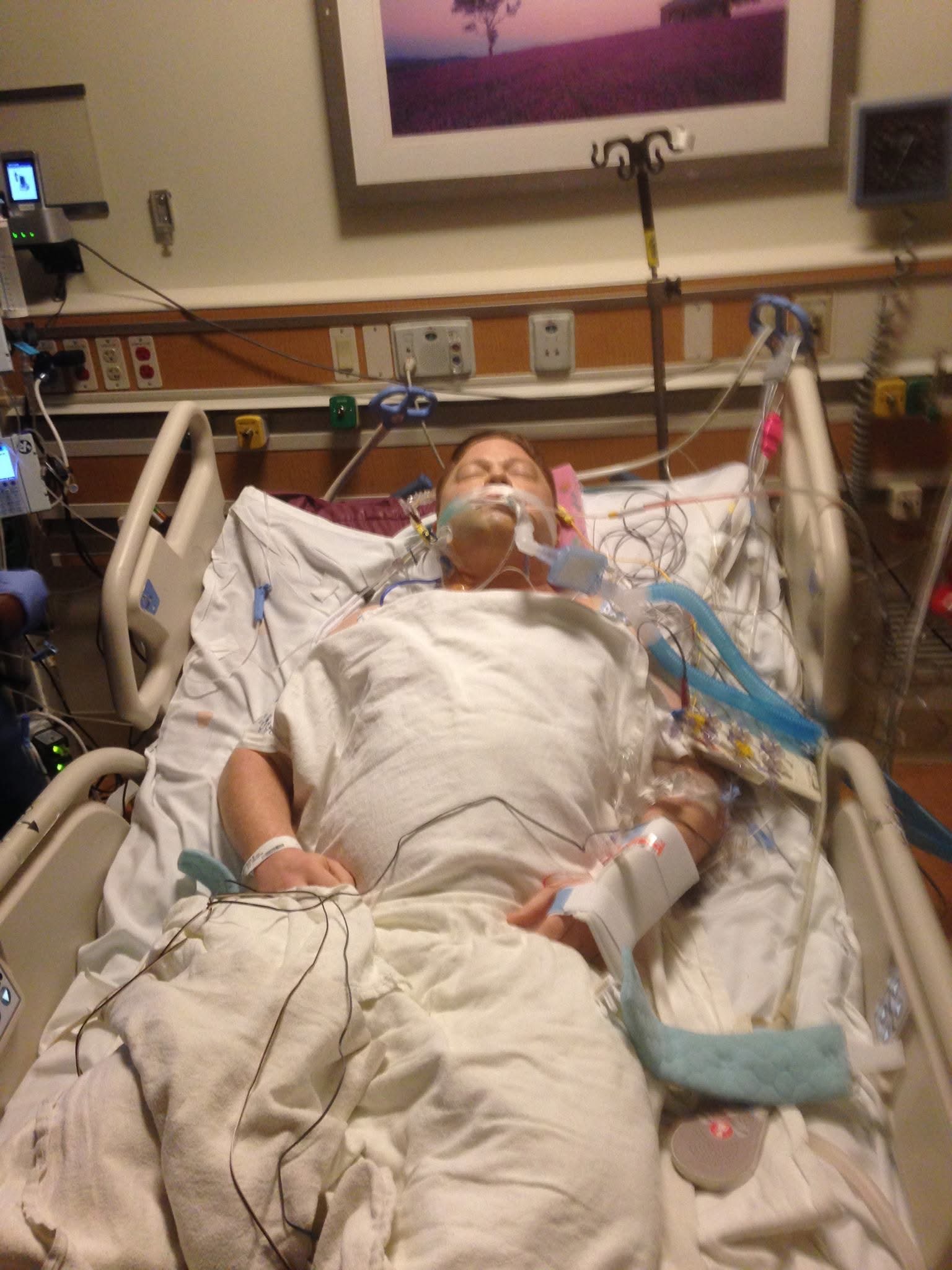
I asked the doctor if I could go home and come back Thursday. He looked at me like I’d suggested something impossible. I was 34 years old.
Surgery was two days later. I called my boss and told her I’d be back Monday.
I wasn’t back for six weeks. The chest healed faster than I expected. The pain between my shoulder blades, though — that was something else. Sleeping was almost unbearable for the first week.
I wasn’t back for six weeks. The chest healed faster than I expected. The pain between my shoulder blades, though — that was something else. Sleeping was almost unbearable for the first week.
What Travel Insurance Would Have Covered
Here’s the part that still gets me.
The cruise fare was around $600. A travel insurance policy would have run maybe $100.
If the plane had diverted — which it should have — insurance would have covered the airfare change, the transport back, and the cruise fare itself. Everything I paid for. Gone in a moment when my body decided it had had enough, but recoverable with a policy I didn’t know existed.
I came home and looked it up. I couldn’t believe I’d never heard of it.
Compare cruise travel insurance plans and get a free quote →
Lesson Two: The NCL Aqua Transatlantic — Insured, But Not Enough
Years later, I was on the first-ever revenue sailing of the NCL Aqua — a transatlantic crossing that was supposed to run seven days. Bad weather had other ideas. The ship ended up in New York instead of Boston, and a seven-day cruise became ten.
This time, I had travel insurance. I filed a claim for Amtrak home from New York and for my meals during the extra days — and I got reimbursed.
But here’s where I learned the second lesson: I had purchased coverage based on the cruise fare only, since I’d used points for airfare. I insured $1,500 total. Had I needed to cancel the trip from Southampton — or had I needed a last-minute flight home from London — a same-day one-way fare from LHR to IAD would have run close to $3,000. My policy capped at $1,500.
I would have been out of pocket for the difference.
Make sure the coverage you buy matches your actual exposure — not just what you paid out of pocket.
Lesson Three: Virgin Voyages, January 2026 — Exactly How It’s Supposed to Work
This past January 2026, I was on an 11-day Virgin Voyages sailing. I got sick on board. Medical bills came to just over $800.
I was reimbursed 100%.
No fight, no gap, no lesson learned the hard way. Just a claim filed and a check received. That’s it. That’s what travel insurance is supposed to do.
The Four Rules I Now Live By
1. Always buy it.
It doesn’t matter how healthy you are, how cheap the trip was, or how confident you feel. I was 34 and in good enough shape that urgent care missed five blocked arteries. You don’t know what you don’t know. Get a free quote and compare plans here.
2. Insure your total exposure, not just what you paid.
Add up everything: cruise fare, flights (even award tickets have change/cancellation fees), pre- and post-cruise hotels, transportation, and especially the cost of an emergency flight home. Cover that number.
3. Make sure medical evacuation is included.
Not every policy covers the same things, and medical (air) evacuation is one of the most important — and most overlooked — components. If something goes wrong mid-ocean or in a foreign country, getting you home or to a proper medical facility can cost tens of thousands of dollars. Make sure your policy explicitly covers it before you buy.
4. Read the policy before you buy.
Trip interruption, “cancel for any reason,” baggage loss — none of these are automatic. Know exactly what you’re covered for before you need it.
I’ve been sailing since 2015. NCL, Royal Caribbean, Carnival, Celebrity, Princess, Virgin Voyages. I’ve made every rookie mistake there is to make. The one that came closest to costing me everything was the one that seemed like no big deal at the time: skipping a $100 policy on a $600 cruise.
Don’t skip it.
→ Compare cruise travel insurance on Squaremouth (takes 2 minutes)
Have questions about travel insurance for cruises? Drop them in the comments — I’ve learned a lot the hard way so you don’t have to.