
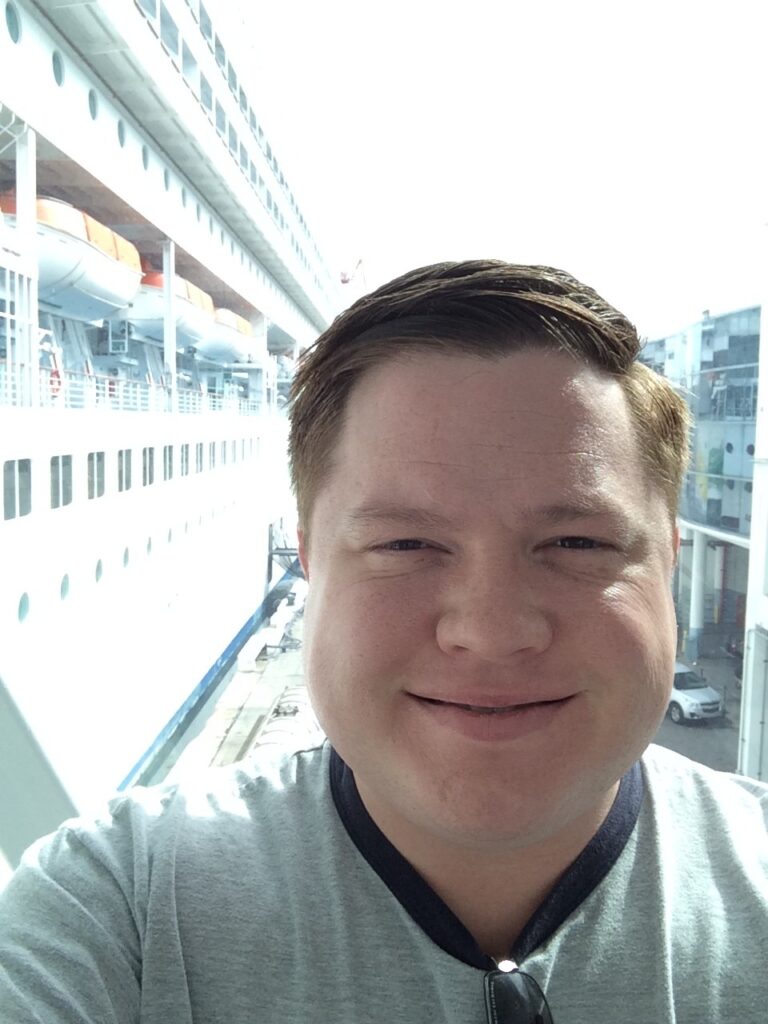
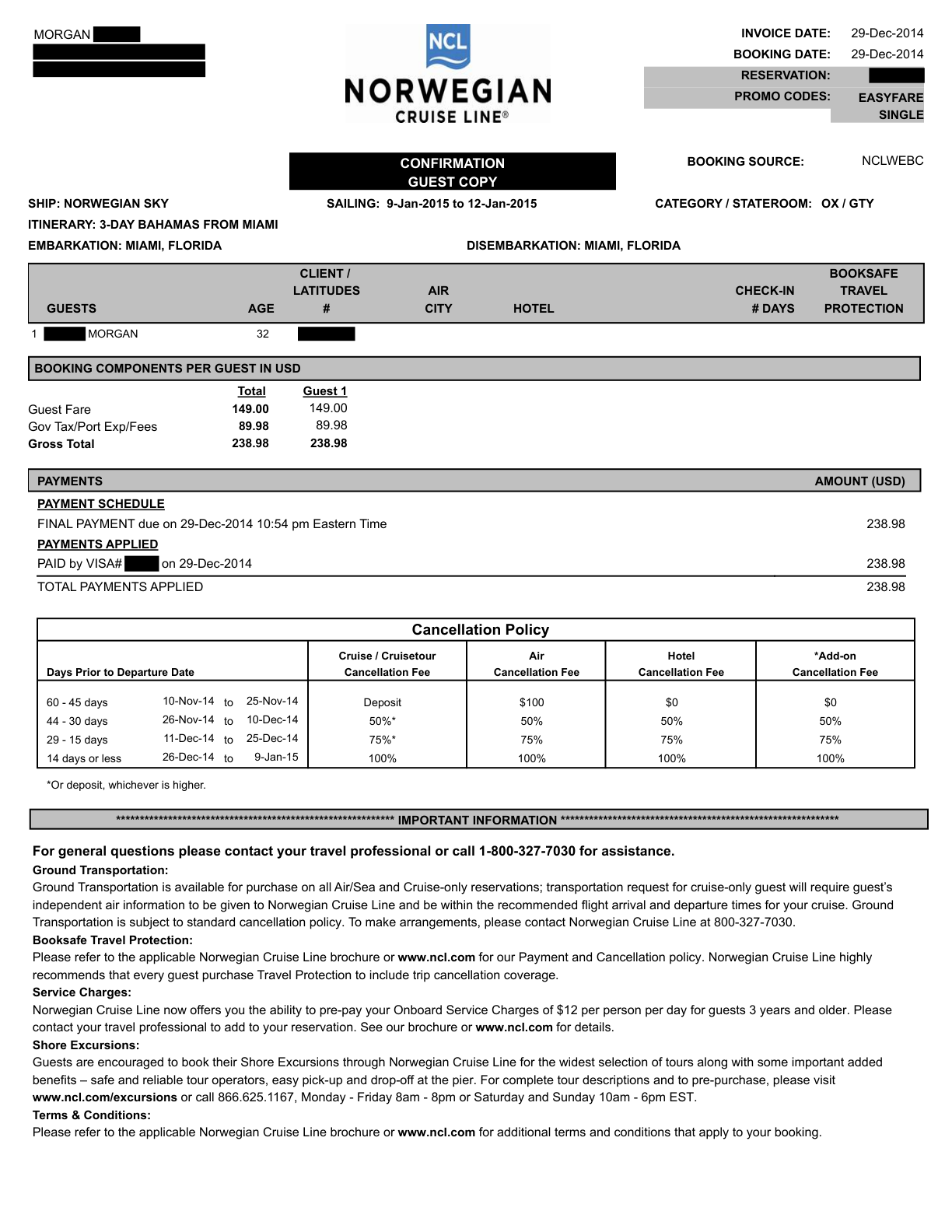
My first cruise was three days on the NCL Sky, departing out of Miami on January 9, 2015. I almost didn’t go at all. In the weeks leading up to it, I was convinced I’d be bored out of my mind — trapped on a boat with nothing to do for three straight days. I’ll admit something else, too: some small part of me wondered what would actually happen if something went wrong while we were out at sea, hours from land, with nowhere to go.
Prefer to watch? I filmed the full video version of all 21 lessons — every mistake included:
None of that panic turned out to be warranted. What I didn’t expect was something different entirely — not the big dramatic fears, but a long list of small, unglamorous things nobody bothers to warn a first-timer about. Nobody tells you the tip is already included until you’re sitting there awkwardly waiting for a check that isn’t coming. Nobody tells you the muster drill used to mean standing outside in the Miami heat for an hour in total silence. Nobody tells you a “guarantee” cabin can still feel like paradise.
More than a decade and several cruises later, here’s everything I wish someone had told me before I stepped onto that ship for the first time.
Will I be bored being “stuck” on a ship?
This was my single biggest fear going in, and it turned out to be almost exactly backwards. It’s not the ship that decides whether you have a good time — it’s you. The activities on board are what make the cruise. To this day, years and multiple cruises later, the Newlywed/Not-So-Newlywed Game and the Yes/No Game are still some of my favorite hours spent on any ship, first cruise or fifteenth. Once I actually showed up to a few of these things instead of hiding out worrying about being bored, the fear evaporated almost immediately. The honest truth, and the thing I’d tell any first-timer above everything else: you are the one who makes the cruise what it is.
What if something happens while we’re out at sea?
I worried about this quietly before that first Sky sailing, and I never actually needed to. Ships carry onboard medical staff and have real protocols in place for emergencies at sea. I’ll also be honest that this isn’t a purely theoretical fear for me anymore — I’ve since had my own medical scare while traveling (a heart attack at 34,000 feet, on the way to a different cruise, no less), which is exactly why I’m now a firm believer in travel insurance for every single trip, cruise or otherwise. Before you sail, it’s worth actually reading what your ship’s line and your travel insurance policy cover, rather than quietly worrying about it the way I did.
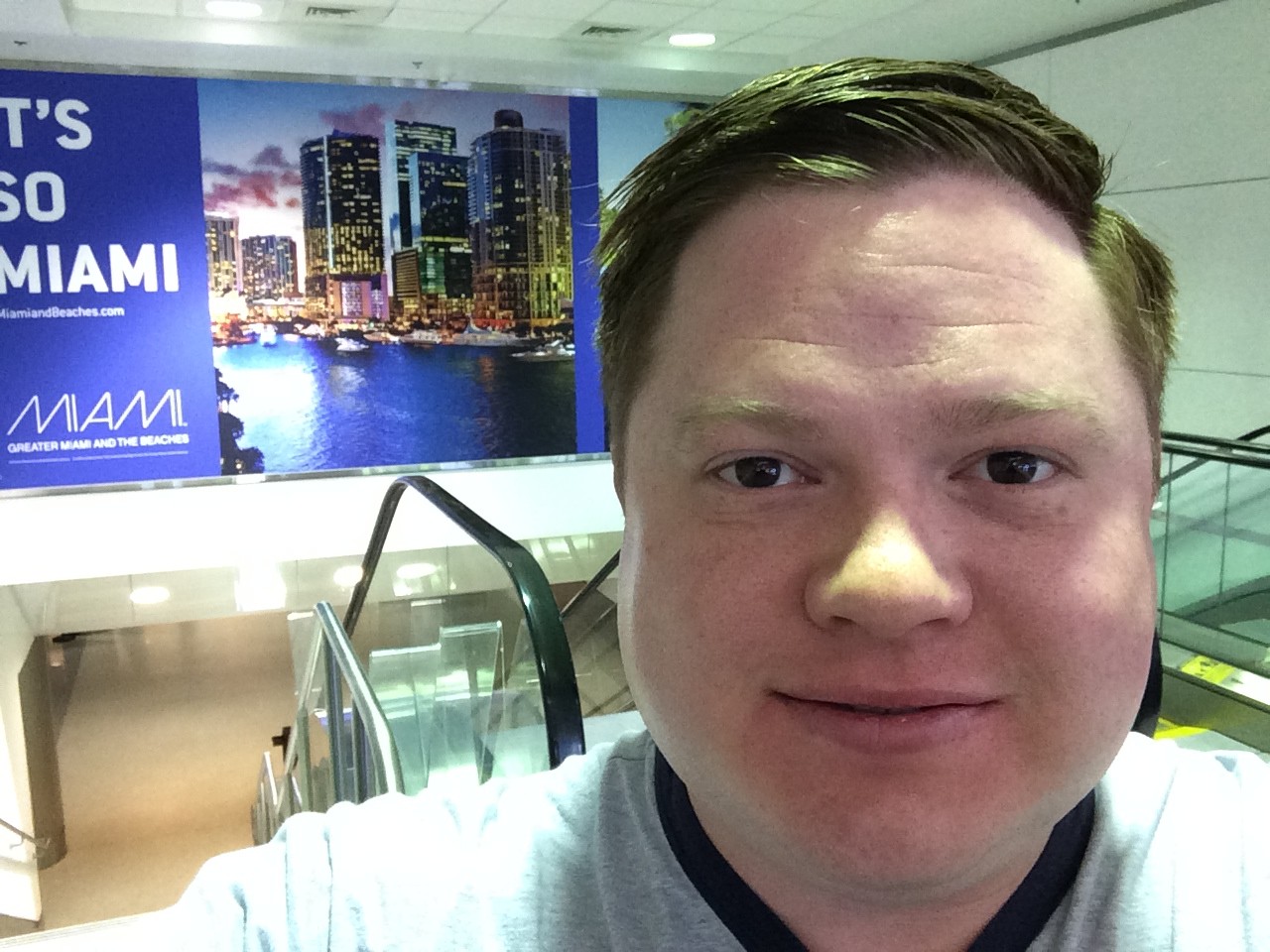
Should I fly in the same day as my cruise?
I did, on that first trip, specifically to save the cost of a hotel room the night before. I don’t recommend it. If your flight is delayed or cancelled, the ship will not wait for you — it sails on schedule, and you’re left either chasing it down at the next port or eating the cost of the missed trip entirely. Since that first cruise, I now fly in a full day early, every single time, no exceptions. I’ve also since started using travel rewards credit cards to help offset the cost of that extra hotel night, which softens the sting considerably. This one change alone is probably the most important logistical lesson from that entire first trip.
How big is the ship actually going to feel?
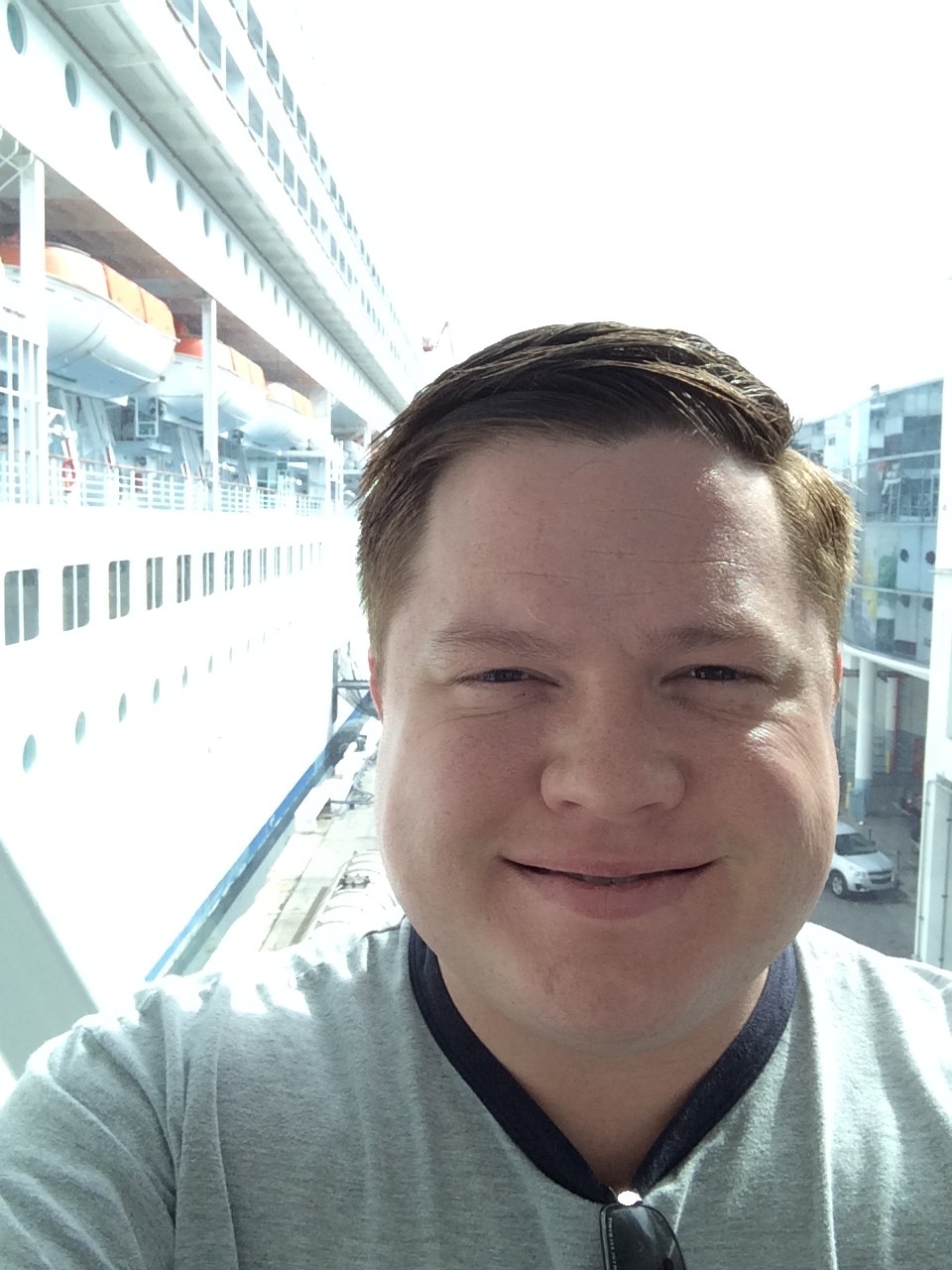
Bigger than you can picture ahead of time, and there’s genuinely no way to prepare for it mentally. The only exposure I’d had to a cruise ship before booking my own was dropping off family at the terminal in Newport News, Virginia — which is essentially a large warehouse you drive your car into, and you can’t actually see the ship itself from inside it. Nothing about that experience prepared me for how enormous the Sky felt once I was standing next to it in person, or for the fact that I genuinely did not understand the mechanics of how a person boards a cruise ship — the gangway, the key card, all of it was new. The moment I actually stepped on board, though, something shifted. The nerves disappeared almost instantly, and it felt like walking into somewhere magical.
Is the WiFi and phone service any good?
On that first cruise in 2015, effectively no. Making a phone call from the stateroom cost something like $5.95 a minute, which meant most people simply didn’t call home at all. Ship WiFi and onboard connectivity have improved significantly industry-wide since then, but it still varies a lot by ship and cruise line, and it’s rarely as fast or unlimited as what you’re used to at home. It’s worth checking your specific ship’s packages before you sail and budgeting for it deliberately if staying connected matters to you, rather than assuming it’ll just work.
What’s this “service charge” or gratuity thing everyone mentions?
On my first cruise, this showed up as a $12-per-day automatic service charge added to my onboard account, and — this is the part nobody tells you — it already covers your dining room service. I did not know that going in. I sat through my entire first dinner in the Main Dining Room genuinely waiting for a check to arrive so I could sign for a tip, the way you would at a restaurant back home. No check ever came, and I remember feeling a little foolish once I eventually pieced together why. You do not need to tip per meal in the main dining room; it’s already built into that daily service charge that gets applied automatically to your folio.
What’s the Main Dining Room actually like?
Intimidating at first, in a good way. On night one, I sat in the very back of the dining room, near a window, and stared down at a menu that looked far more upscale than anything I expected from a “cruise dinner.” I remember being almost stiff with how properly I was trying to behave — napkin folded in my lap, using what I hoped were the correct utensils in the correct order. It felt fancy enough that I genuinely couldn’t believe it was already included in the cost of the cruise fare. My perception of it has changed a lot over the years and many cruises since, but that first-night nervousness is universal, and it’s worth telling first-timers it’s completely normal — and that it stops feeling like a test after your second or third dinner.
Is there really a full casino on board?
Yes, and that alone was enough to floor me the first time I saw it. A full casino, at sea, on the very same ship as the dining room, the pool deck, and your stateroom, was simply not something I’d pictured before booking.
Where do people actually eat besides the dining room?
My favorite spot on that first cruise — and it’s still one of my favorites today — was the Great Outdoors, a large tented deck space off the aft of the ship that extends right off the Garden Cafe buffet. I could not tell you how many hot dogs I ate there over the course of those three days, and looking back, it was probably an unreasonable number. (For what it’s worth, I don’t necessarily recommend making that your primary food group for an entire cruise — see: my post on the heart attack and travel insurance, where questionable dietary choices may or may not have played a supporting role.)
What’s the muster drill (safety briefing) actually like?
Back in 2015, there was no digital or in-cabin muster drill option — everyone gathered in person, in real life, at an assigned outdoor station. I stood outside on the starboard side of the ship in the middle of Miami heat for what felt like close to an hour. Cell phones weren’t allowed, and from what I remember, people around me weren’t really talking either. It’s a strange, sweaty, oddly quiet stretch of time, and being nervous about showing up on time for it is a completely normal first-timer feeling. The good news: many ships today offer an electronic muster drill you complete individually in your cabin, which is a far easier and faster version of the same safety requirement. It’s worth checking what your specific ship offers before you sail so you know what to expect.
Will I get seasick?
I never did, not on the Sky and not on any cruise since, but I still buy a bottle of meclizine — usually around $3.99 at Costco — before every single cruise I take, along with a small kit of other over-the-counter medications I carry with me. That habit has paid off in ways beyond just my own comfort. On a later NCL Aqua sailing, I overheard a couple at one of the ship’s shops asking for Tums, which the shop didn’t carry. I happened to have a large bottle with me, purchased, yes, from Costco, so I ran back to my cabin, filled a plastic cup, and brought it over to them. The lesson: pack more over-the-counter medication than you think you’ll need. The shops on board don’t stock everything, and you’ll be glad to have it, whether for yourself or the stranger next to you at the gift shop counter.
What’s a “guarantee” cabin actually like?
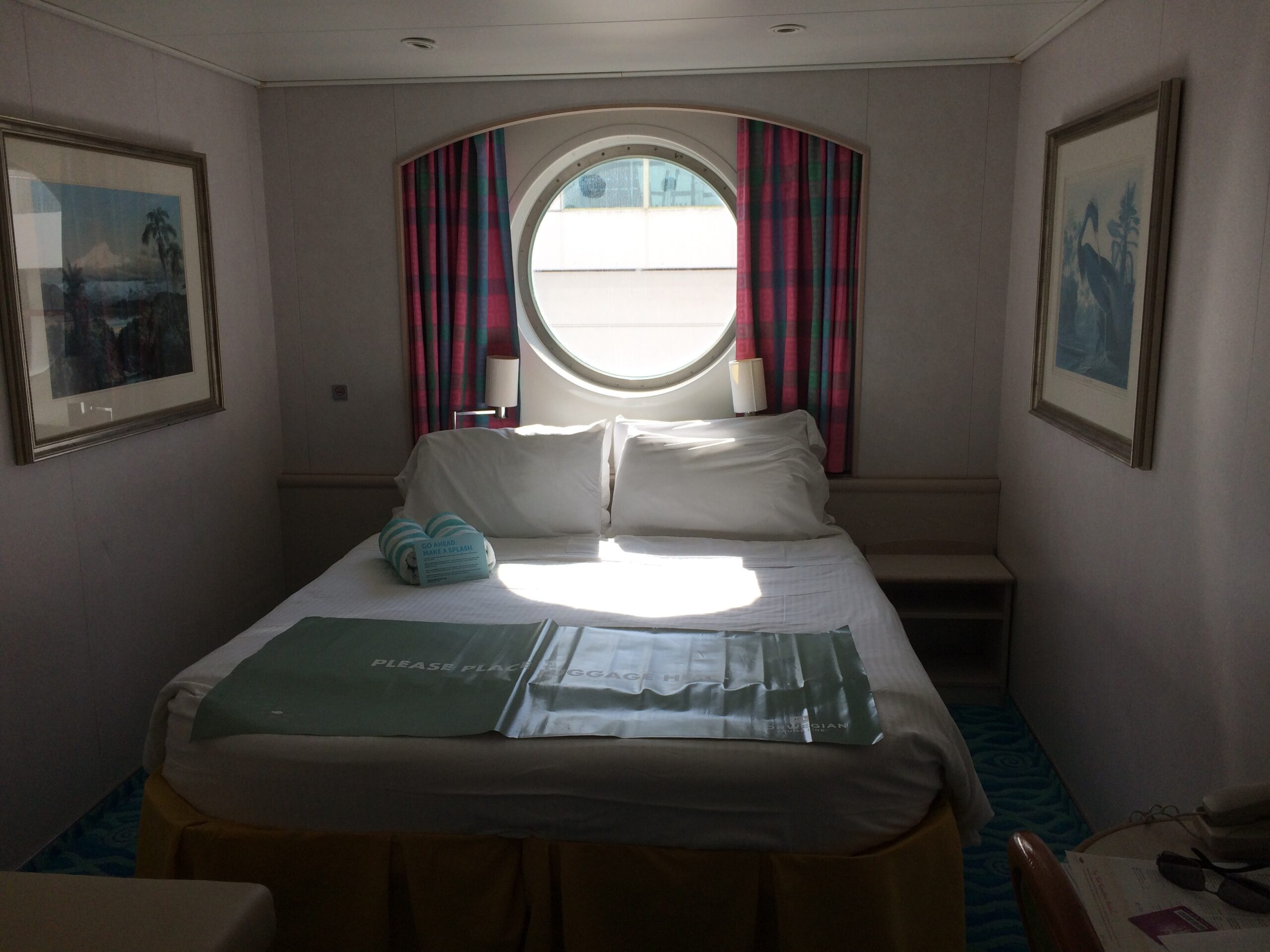
On that first cruise, I booked an OX-category guaranteed oceanview stateroom and ended up assigned to deck five, starboard side, with one large circular window. At the time, it felt genuinely enormous — I remember being thrilled with it, practically in seventh heaven. Guarantee categories are a good way to save money if the exact location of your cabin isn’t your top priority: you’re guaranteed a room within that category type, but the cruise line picks the specific room for you rather than letting you choose it yourself.
Do you actually get a passport stamp at the ports?
Not necessarily, and this one caught me off guard. I brought my passport ashore in Nassau on that first trip specifically hoping to get it stamped, since I had never left the country before and was genuinely excited about it. No stamp was issued, and I remember being disappointed. Bahamas port stops on a cruise itinerary frequently don’t come with a passport stamp at all — it’s worth knowing that going in so you’re not counting on it as a souvenir the way I was.
Can the itinerary actually change once you’re already booked?
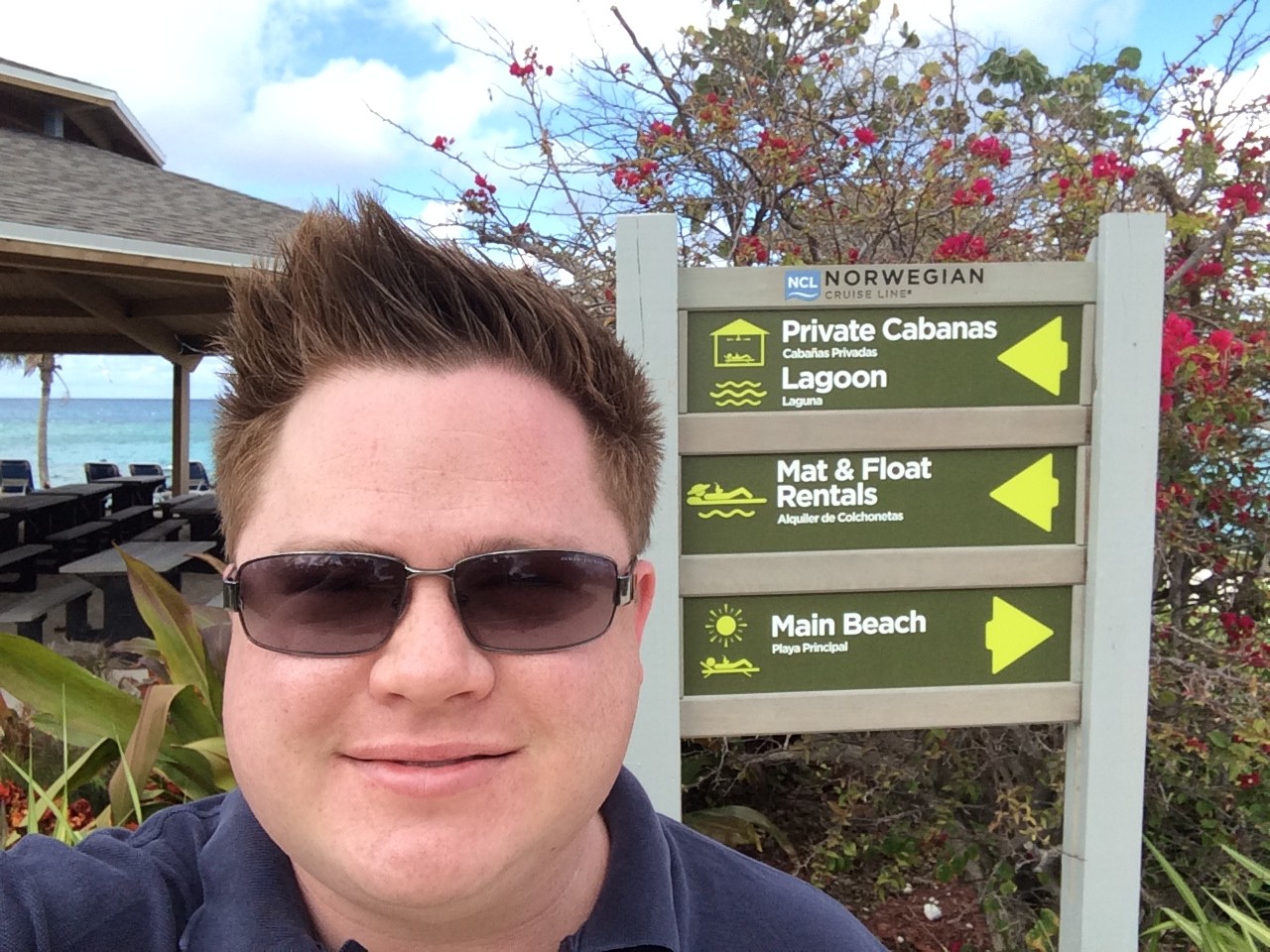
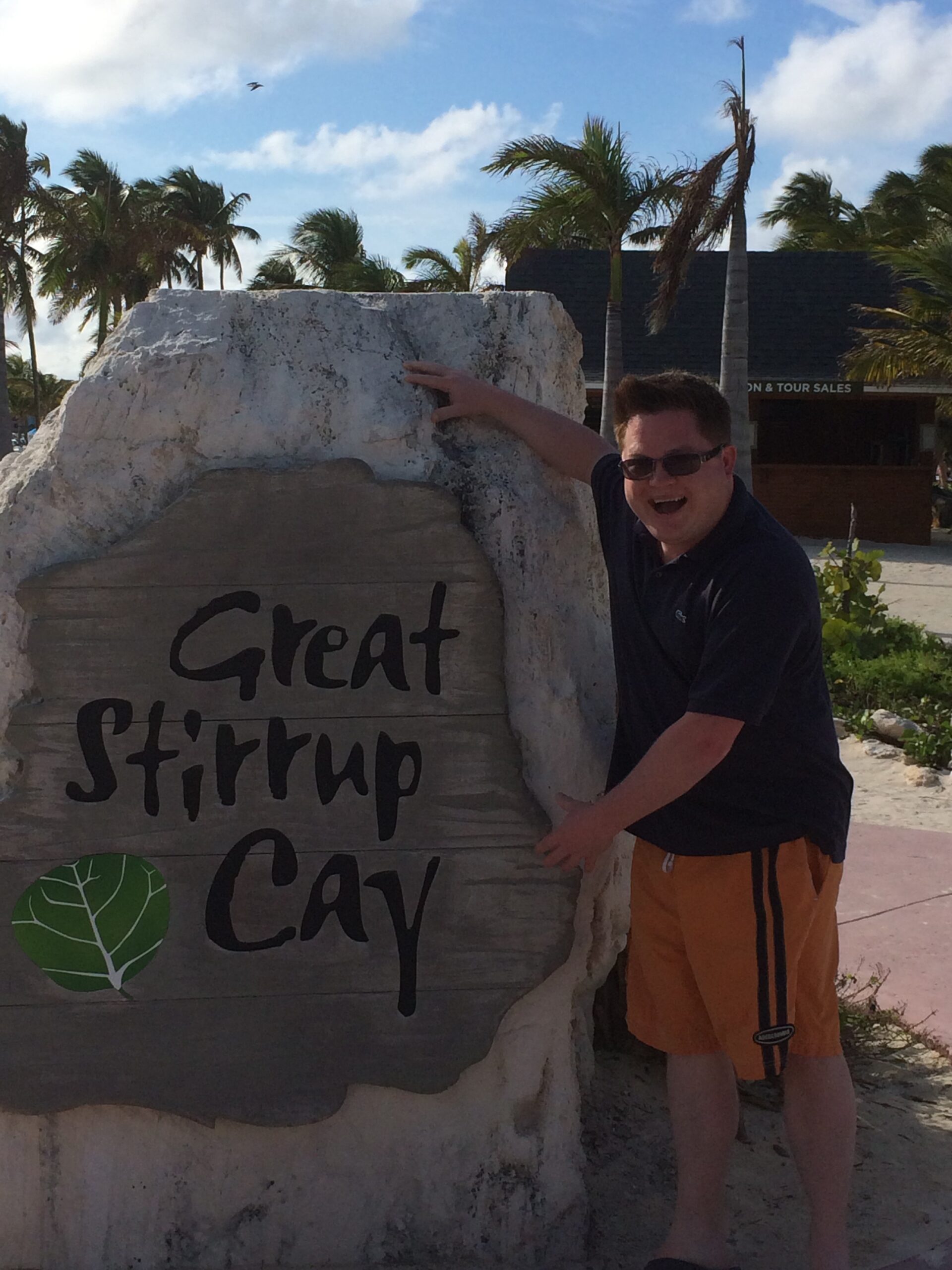
Yes, and nobody warns you about this either. My printed confirmation had us in Nassau first and Great Stirrup Cay second — but weather ended up swapping the order once we were actually sailing. It wasn’t a big deal in the moment (you still get both ports either way), but it caught me off guard, since I’d assumed the itinerary on the confirmation sheet was locked in. Weather, port congestion, and mechanical issues can all shuffle a cruise itinerary after you’ve booked, sometimes with no notice until you’re on board. Don’t build rigid plans — like a very specific excursion booked independently at a set time — around the exact order printed on your confirmation.
What are port days actually like if you don’t book an excursion?
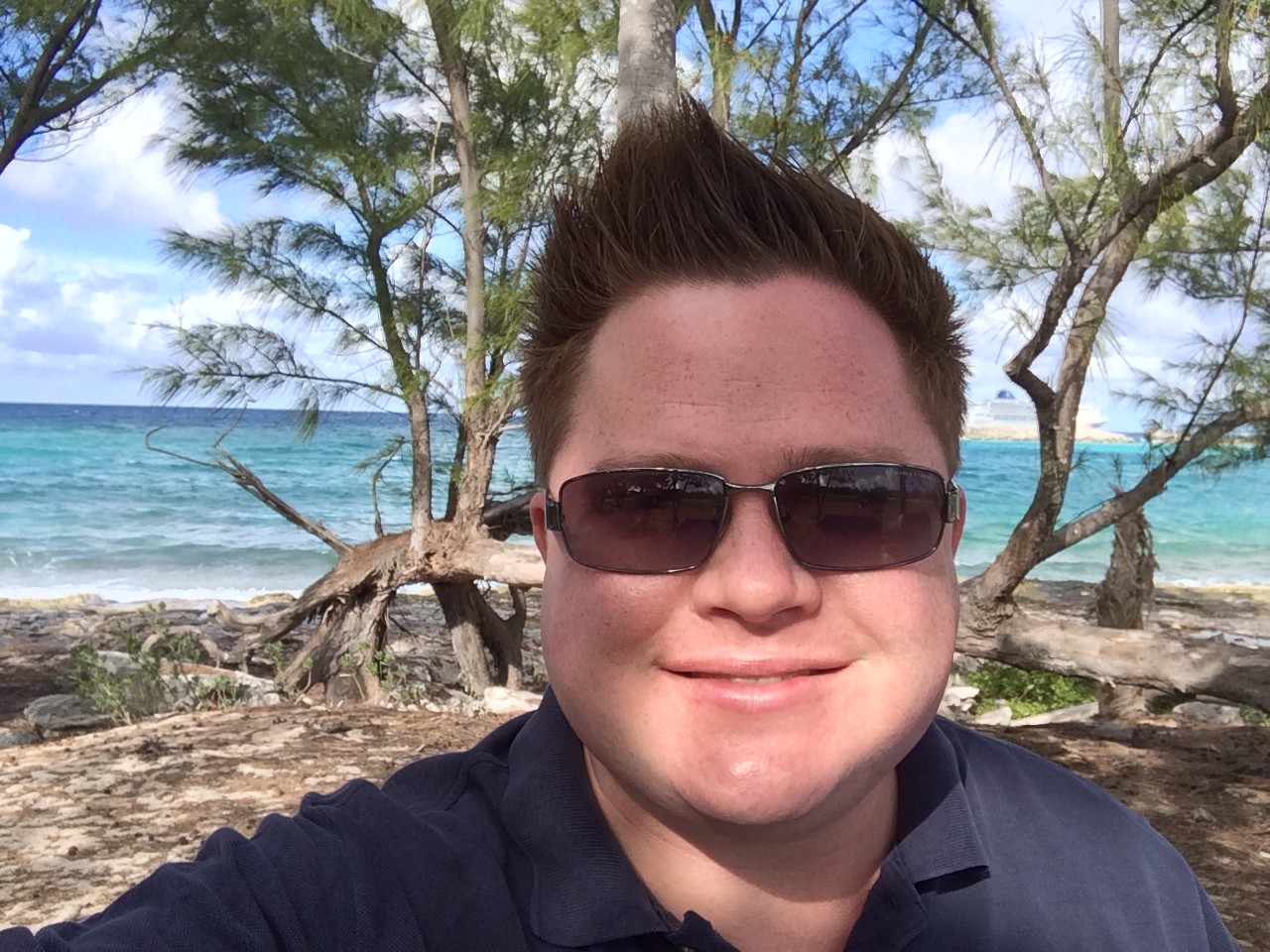
Completely fine, and honestly still one of the highlights of that first trip. I didn’t book any shore excursions on that cruise, and Great Stirrup Cay ended up being one of the best parts of the entire itinerary anyway — I grabbed a lawn chair in the shade near some pine trees overlooking the water and just sat there for a while, taking it all in. In Nassau, it was easy to get around entirely on my own without a guide or a booked tour, though the vendors at the straw market were noticeably pushy about getting you to buy something. Expect that going in, and know that it’s completely fine to just smile and keep walking.
What’s disembarkation day like?
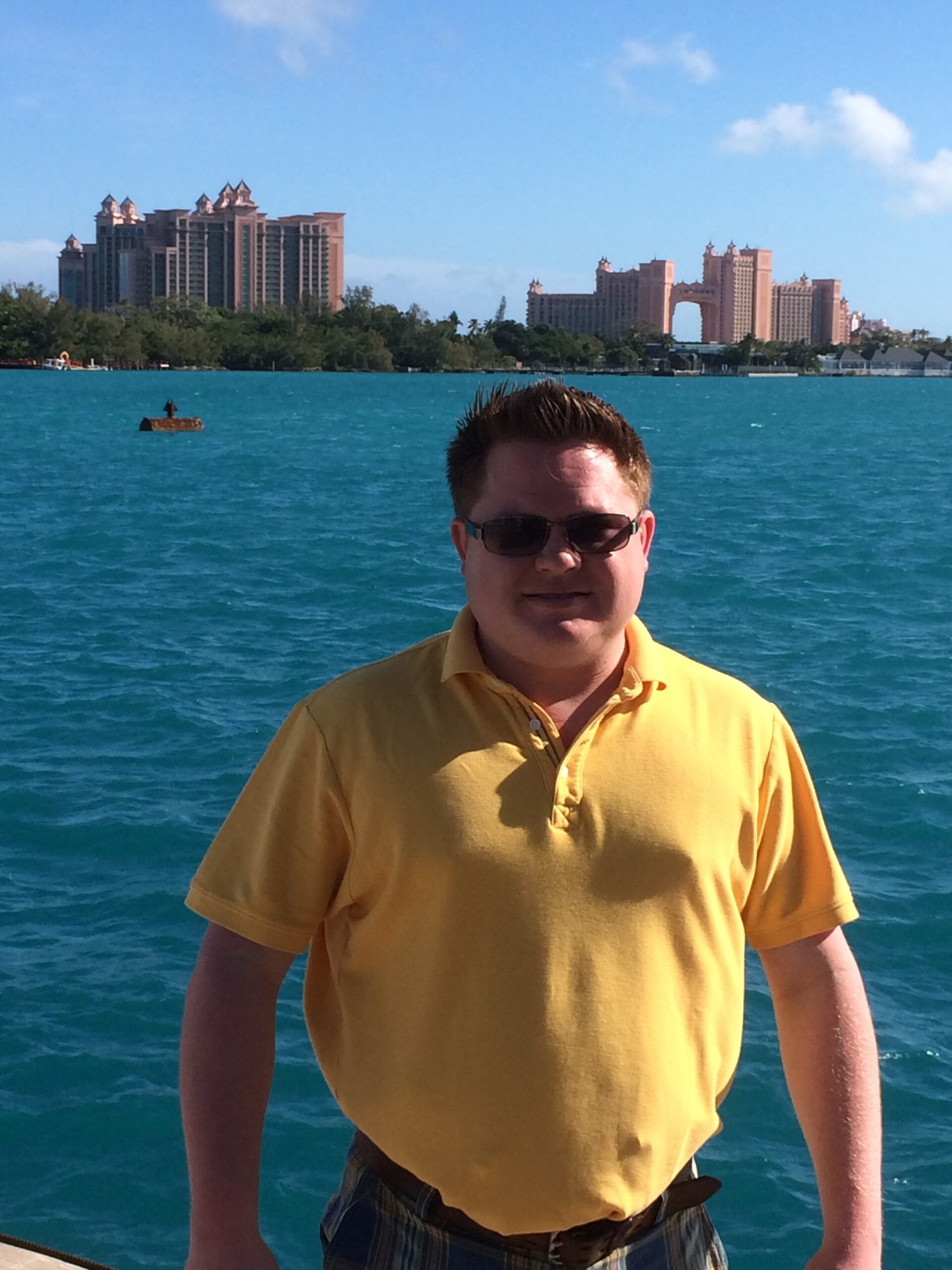
Anticlimactic, in the best possible way. I carried my own luggage off the ship and remember being genuinely sad that the trip was over — a strange feeling for someone who’d been dreading the whole thing just three days earlier. Despite having been completely against the idea of cruising before that first sailing, I ended up booking my next cruise within three months of getting home.
The bottom line
Almost none of the big fears I walked onto that ship with turned out to be real problems. What actually tripped me up were the small, fixable, first-timer things: sitting there waiting for a check that was never coming, flying in the same day and cutting it too close, not knowing the muster drill would be outdoors and mandatory, expecting a passport stamp that never showed up. None of it ruined the trip. If anything, looking back on it now, those are the details that made it memorable.
If there’s one thing I’d tell the version of myself standing nervously at the Miami terminal in January 2015, it’s this: you are the one who makes the cruise what it is. Show up open to it, pack a little more Tums than you think you need, and the rest works itself out.